(A) 賛成
Japan should encourage food banks, but only as a backup system alongside welfare. Kerenne (2025) notes that rising living costs push many households to rely on local food banks, and some banks now offer workshops in budgeting and benefit applications. This means support can be immediate and also help people regain independence. Critics argue that promoting food banks lets governments dodge their duty; Thurman (2025) calls this outsourcing poverty to charities. That criticism is valid when welfare is cut or when governments celebrate charity instead of reform. Still, refusing to support food banks would punish families first. For example, if a parent loses work or faces a sudden medical bill, a food bank can prevent hunger that week while public benefits are processed. The government should encourage food banks through transport support, food-safety standards, and partnerships with retailers, while strengthening welfare so charity never replaces rights.
(A) 反対
Japan should not encourage food banks as a central policy, because hunger is a right-based issue, not a charity project. Thurman (2025) argues that governments can shift responsibility to charities, and this becomes morally wrong if welfare keeps shrinking. He also warns that a growing charity industry can expand while poverty remains. Supporters respond that food banks show community spirit and can even teach life skills; Kerenne (2025) notes that some banks provide financial planning and guidance on benefits. However, these benefits do not fix low wages and high living costs. For example, if a town depends on donations, supplies may drop when prices rise, exactly when poor families need help most. Government praise of food banks may also hide unmet need. Japan should focus on stronger cash support, simpler benefit procedures, and better job protection. Food banks can exist, but the state should not promote them as the solution.
(B) 賛成
Japan should fight food loss and food waste with clear national rules and incentives. Tyenigh (2025) explains that huge amounts of food are discarded and that this waste damages the environment and food security. Some people argue that changing consumer habits is the main answer, but Tyenigh (2025) shows many consumers blame others and still waste food. Education helps, yet rules shape behavior. For example, Japan’s “one-third” delivery rule can push retailers to throw away safe products early; moving toward a more generous standard could reduce waste. The government should also standardize date labels, because confusing labels make families discard edible items. Critics may say lawmakers move slowly and NGOs can act faster, but only the state can set nationwide standards. This matters even more as climate change increases droughts and floods. With targets, public reporting, and support for retailers that sell “ugly” produce, Japan can cut waste and protect supply.
(B)反対
Japan should address food loss and waste, but the government should focus on light rules and strong incentives, not heavy control. Tyenigh (2025) notes that asking legislators to standardize labels can become an excessively lengthy process, while NGOs may achieve the same goal faster by persuading corporations to cooperate. Some people insist only strict national regulation will work, yet strict systems can create paperwork for small shops and raise prices for consumers. For example, if every store must submit detailed waste reports, staff time will increase and food may become more expensive. Instead, the state should fund NGO campaigns, support technology that matches surplus food with users, and reward retailers that discount “ugly” produce. It can also publish simple guidelines and public rankings to encourage competition. This approach still respects Tyenigh’s (2025) call for stakeholders to work together, but it avoids turning waste reduction into another bureaucracy.
CU〔…の/…という〕程度, 度合い〔of/that節〕
a high degree of sophistication
高度の教養
vary [differ] in degree
程度において異なる
That’s simply a matter [question] of degree.
それは単に程度の問題だ
She learned English to the degree that she was fluent.
彼女は流暢(ちょう)に話せる程度まで英語を身につけた.
People will choose the party that offers some degree of social change.
人々はある程度の社会的変革を提示する政党を選ぶだろう
To what degree can you understand his speech?
どの程度まで彼の演説が理解できますか
1SVOO〈人・動物の身体の一部〉を(手のひらで)軽くたたく, なでる; SVO1 on O2 O1〈人・動物〉のO2〈身体の一部〉を軽くたたく, なでる 《◆愛情をこめたしぐさ; cf. slap》
She patted his cheek affectionately. =She patted him on the [×his] cheek affectionately.
彼女は彼のほおを優しくなでた 《◆⑴ 前者はhis cheekに, 後者はhimに焦点がある. ⑵ She patted him on ×his cheek … については→the冠3》.
He patted the dog affectionately as he spoke.
彼は犬に話しかけながら愛情を込めて軽くたたいた
You can pat yourselves on the back for a job well done.
仕事がうまく行ったなら自画自賛するのもいいでしょう
Geniusを使っているとこのような感じで例文の中で意味があるので、
「意味が辞書にない・・・」と絶望した人もいるかと思います。
ただ見出し語に似たようなのがあったので、類推できた人もいるかもしれません。
a pát on the báck
⦅略式⦆(激励のため)背中を軽くたたくこと; 〔…に対しての〕ほめ言葉, 激励〔for〕
He got a pat on the back for doing his job very well.
彼は仕事を非常にうまくこなしたのでほめられた.
自分自身で自分の背中を叩く→自画自賛というのが発想ができたかどうか。
ここがわからないとさっぱり意味がわからないとなったでしょう。
別の辞書を見てみましょう。
pat yourselves on the backの意味が見出しで載っているのは、コンパスローズのみです。
*このような口語表現はコンパスローズは強いですね!
The Economistは、時事問題、国際ビジネス、政治、テクノロジー、文化に焦点を当ていてう国際週刊紙です。イギリス・ロンドンを拠点。2019年の世界平均印刷部数はデジタルと合わせると160万部超にのぼります。
同紙は、オリジナルな報道よりもデータジャーナリズムと分析に顕著な重点を置いており、批判と称賛の両方を得ています。
Google LLC is an American multinational technology company that specializes in Internet-related services and products, which include a search engine, online advertising technologies, cloud computing, software, and hardware. ( From wikipedia )
こんな感じです。
ですが、googleが動詞の位置できた場合、
なんと動詞として使うことができます。
英語辞書の権威である
オックスフォード辞典にも下記のように記載されています。
google (somebody/something)to type words into the search engine Google™ in order to find information about somebody/something
I just googled her and found her blog.
I tried googling but couldn’t find anything relevant.
gogoleの場合は元となる固有名詞がわかりやすいので、
意味は大体察することができますが、、、
そのほかの単語にもこのように英単語には多義性があります。
慶應大学において単語を覚える際には、
このような多義性にも気を配る必要があります。
多義性を理解するためにはどうしたら良いのか?
単語ごとの多義性を理解するためにはどのようにしたら良いのか、
一番良いのは、英英辞書を使うことでしょう。
全ての単語について英英辞書を使うのは、
受験学年には時間的にも
また学力が安定してない時はよくないのですが、
記述の模試で偏差値大体65程度になったら、使ってみても良いでしょう。
間違いの多いassume
受験生の中には、assume = 仮定すると思っている人が多いのですが、実際は少し異なります。
assumeは、Cobuildによれば、
If you assume that something is true, you imagine that it is true, sometimes wrongly.となります。
まずはこちらをみて考えてみてください。
Young Boyd did not cut down oak-trees for a livelihood, though he just now worked as if fortune had mapped a no less arduous career for him. He was the only son of a wealthy landholder of the vicinity, a man of English descent and English thrift. Andrew’s grandfather came north into Scotland from Shrewsbury, in a sort of angry freak after a local quarrel. He bought and developed a valuable farm near Loch Arkaig, and then suddenly died upon it, leaving the newly acquired estate to Gilbert Boyd, the father of young Andrew. All of which had happened some forty years before this tale’s beginning.
※AndrewとBoydは同一人物
[su_spoiler title="クリックして答えを表示" icon="plus-square-2"] Young Boyd did not cut down oak-trees for a livelihood, though he just now worked as if fortune had mapped a no less arduous career for him. He was the only son of a wealthy landholder of the vicinity, a man of English descent and English thrift. Andrew's grandfather came north into Scotland from Shrewsbury, in a sort of angry freak after a local quarrel. He bought and developed a valuable farm near Loch Arkaig, and then suddenly died upon it, leaving the newly acquired estate to Gilbert Boyd, the father of young Andrew. All of which had happened some forty years before this tale's beginning.
※AndrewとBoydは同一人物
このように考えると、
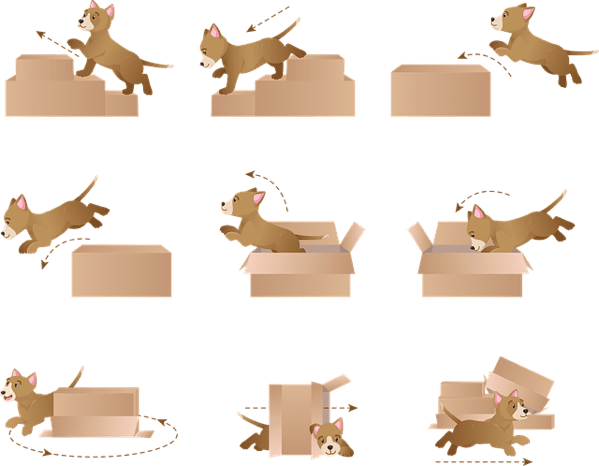
pictures several people boxed according to income level
となりますね。
慶應法並び替え、整序問題類題
類題を作ってみたのでやってみて下さい。
I’m here because the late Herman Blount, better known as Sun Ra, a mystical, avant-garde Black American musician and poet who made racial metaphor of extraterrestrial origin stories, remains a guidestar in this realm, even nearly 30 years after his death. His group’s art is a core part ( A ) or try to think hard about the Black Future.
If you’re like most people in the U.S., you think that advertising has no influence. This is what advertisers want you to believe. But, if that were true, why would companies spend over 250,000 to produce an average television commercial and another $250,000 to air it?
































 250,000 to produce an average television commercial and another $250,000 to air it?